
HOUSTON METROPLEX · IONM SPECIALISTS
Protecting What Matters Most — In Every OR, Every Time
Texas IOM provides expert intraoperative neuromonitoring for surgeons and surgical facilities across the Houston Metroplex. Board-certified technologists. Real-time physician oversight. Personalized service built around your practice.
20+
Years serving Houston-area surgeons
100%
CNIM-credentialed, ABRET board certified
10+
Neurologists providing live oversight
24
Houston-area facilities credentialed
OUR STORY
Built by Clinicians. Carried Forward with Purpose.
Texas IOM has been a trusted name in intraoperative neuromonitoring in the Houston area for more than two decades. What started in 2002 as Argos IOM Services — founded by two board-certified technologists — grew into a respected monitoring practice serving facilities across the Metroplex.
Today, Texas IOM remains a boutique operation by design. Our size allows us to offer the kind of responsive, personalized service that surgeons and surgical teams actually want — the same familiar faces, a real person who answers the phone, and protocols built around your preferences.
From the moment our technologist meets the patient until the final electrode is removed — the care of your patient is our priority.
Surgical Specialties Served
From Spine to Skull Base —
We're Ready for the Cases You Do
Neurosurgery
Craniotomies
Brainstem Tumor
Brain Mapping
Skull Base Tumors
Cerebral Aneurysm
Vascular Surgery
Endovascular Procedures
Microvascular Procedures
Carotid Procedures
Arterial & Venous Lesions
Orthopedic Spine
Scoliosis Fusion
Laminectomy
Discectomy
Decompression
Anterior/Posterior Fusion
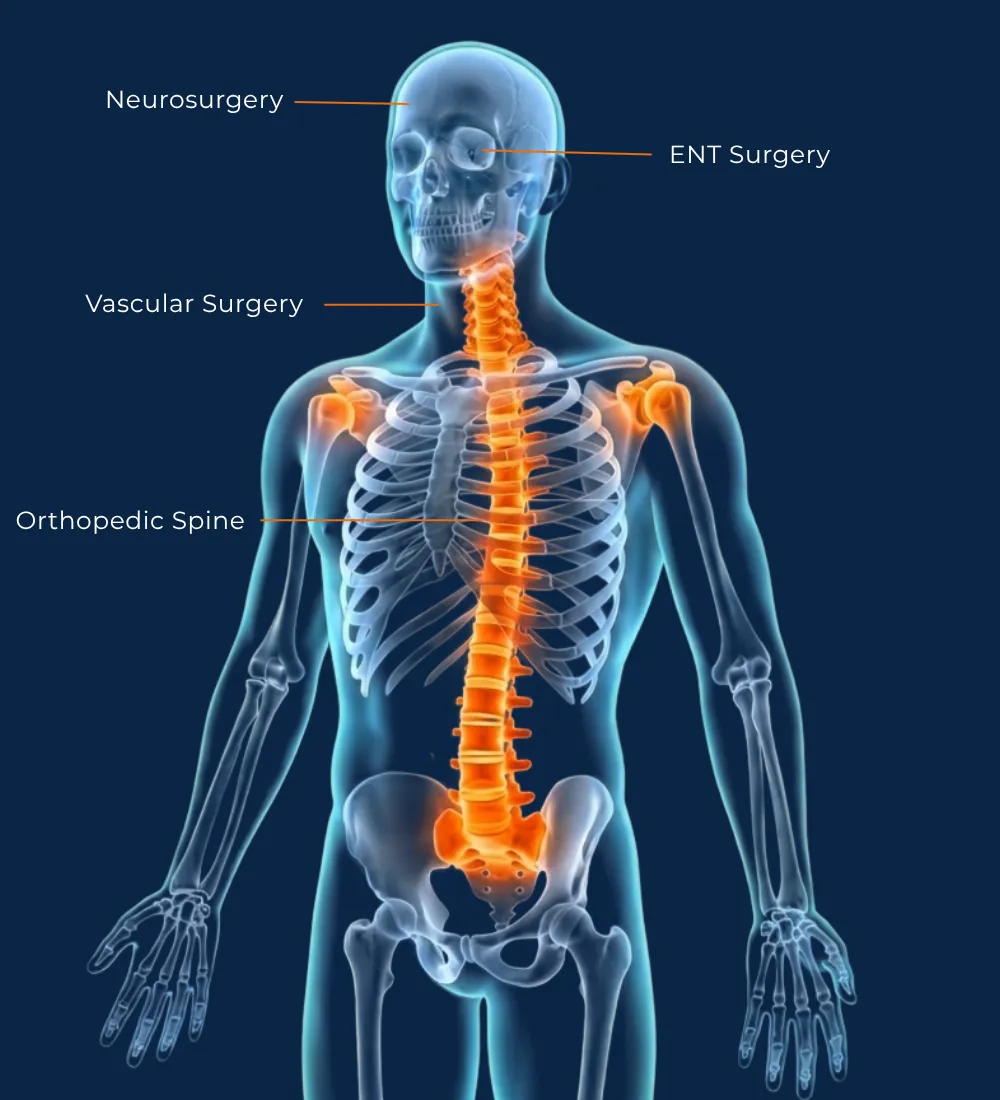
ENT Surgery
Craniotomies
Brainstem Tumor
Brain Mapping
Skull Base Tumors
Cerebral Aneurysm
Parotidectomy
Thyroidectomy
Thyroid Surgery
Acoustic Neuroma
Mastoidectomy
General Orthopedic
Craniotomies
Brainstem Tumor
Brain Mapping
Skull Base Tumors
Cerebral Aneurysm
Other
Craniotomies
Brainstem Tumor
Brain Mapping
Skull Base Tumors
Cerebral Aneurysm
Working With Us
Simple. Seamless.
Centered Around Your Practice.

It starts with you
Every relationship begins with the surgeon. When you are ready to bring us in, we handle the credentialing and privilege process at your facility so you do not have to.
We get established
Once credentialed, any surgeon at your facility can request our services. Getting started is a one-time process.
Scheduling is easy
Our office administrator handles all scheduling directly — no portals, just a real person who knows your team.
We're with your patient
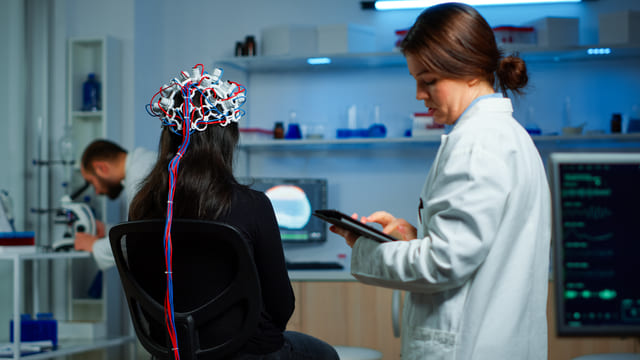
Your CNIM technologist is present from pre-op through close, in real-time contact with your entire surgical team.
Intraoperative Neuromonitoring (IONM) – Frequently Asked Questions
What is Intraoperative Neuromonitoring (IONM)?
IONM is a real-time monitoring service used during surgery to assess the functional integrity of the brain, spinal cord, and peripheral nerves. It helps the surgical team identify potential neurological injury before it becomes permanent, allowing immediate corrective action during the procedure.
IONM is commonly used in spine, brain, vascular, ENT, and orthopedic surgeries where nerves are at risk.
Why is IONM used during surgery?
IONM is used to reduce the risk of nerve damage during complex procedures. By continuously monitoring neural pathways, the team can detect changes in nerve or spinal cord function and alert the surgeon in real time so adjustments can be made immediately.
Who performs IONM?
IONM is performed by a trained neurophysiologist or technologist in the operating room. A board-certified interpreting physician (often a neurologist or neurophysiologist) supervises the case remotely or in real time, interpreting data and communicating with the surgical team.
Is IONM considered standard of care?
IONM is widely considered a standard safety tool in many high-risk surgeries, particularly spinal and neurological procedures where the risk of nerve injury is elevated.
Is IONM safe?
Yes. IONM is non-therapeutic and does not perform surgery. It uses low-level electrical signals and adhesive or small needle electrodes placed after the patient is under anesthesia. Complications are extremely rare and typically limited to minor skin irritation at electrode sites.
What types of surgeries use IONM?
IONM is commonly used in:
* Spine surgery (fusion, scoliosis correction, decompression)
* Brain and neurosurgery procedures
* Thyroid and parathyroid surgery (recurrent laryngeal nerve monitoring)
* ENT and skull base procedures
* Vascular surgeries where spinal cord perfusion is at risk
* Orthopedic procedures involving nerve proximity
What modalities are used in IONM?
Common monitoring techniques include:
* Somatosensory Evoked Potentials (SSEP)
* Motor Evoked Potentials (MEP)
* Electromyography (EMG)
* EEG (in selected cranial cases)
* Each modality provides different information about nervous system function.
Will I be awake during IONM?
No. All electrodes are placed after the patient is under general anesthesia. The patient does not feel or experience the monitoring process.
Does insurance cover IONM?
IONM is often covered by Medicare and most commercial insurance plans when medically necessary. Coverage varies depending on the procedure, diagnosis, and payer policies.
Why is IONM necessary if the surgeon is already experienced?
Even highly experienced surgeons benefit from IONM because it provides objective, real-time data about nerve function that cannot be seen directly. It acts as an additional safety layer to help prevent neurological injury.
Who reviews the monitoring data during surgery?
A qualified interpreting physician continuously reviews the neurophysiological data and communicates any significant changes to the surgical team immediately during the procedure.
Can IONM prevent all nerve injuries?
IONM significantly reduces the risk of nerve injury but does not eliminate it entirely. It is a monitoring and warning system designed to help the surgical team respond quickly to potential issues.
How long has IONM been used?
IONM has been used for decades and has become increasingly sophisticated with advancements in technology, allowing for more precise and real-time interpretation of neurological function.
How do I prepare for surgery involving IONM?
No special preparation is required from the patient beyond standard surgical instructions provided by your surgeon and anesthesiologist.
Is there any risk to the patient?
The risk is very low. The most common minor issues include temporary skin irritation or mild soreness at electrode sites.
Why is real-time communication important in IONM?
IONM requires close coordination between the technologist, supervising physician, anesthesiologist, and surgeon. Rapid communication allows immediate intervention when neurological changes are detected, improving surgical safety and outcomes.

GET STARTED
Ready to Schedule a Case or Learn More?
Our team is easy to reach. Whether you are scheduling your first case or want to learn more about what we do, we are happy to talk.
© Copyright 2026 | All Rights Reserved Texas IOM | Terms & Conditions | Privacy Policy